Islamic Cosmology
"He is Allah, the Creator, the Originator, the Fashioner; to Him belong the best names. Whatever is in the heavens and earth is exalting Him. And He is the Exalted in Might, the Wise."
← Return to Overview
Jannah
The eternal paradise promised to the righteous, described as gardens of perpetual bliss beneath which rivers flow. Jannah contains delights beyond human imagination - rivers of water, milk, honey, and wine that does not intoxicate. The faithful dwell in magnificent mansions, adorned with precious stones, reclining on couches of silk and brocade, reunited with loved ones in eternal peace.
As-Samawat As-Sab'a
The layered structure of creation mentioned throughout the Quran. Allah created seven heavens in layers, one above the other, each serving distinct purposes in the cosmic order. The Prophet Muhammad (peace be upon him) journeyed through these heavens during the miraculous Night Journey (Isra and Mi'raj), meeting previous prophets at each level. The lowest heaven is adorned with stars as lamps and protection.
Al-Arsh
The magnificent Throne of Allah, above all seven heavens, borne by eight mighty angels. Al-Arsh represents the ultimate symbol of divine sovereignty and power. The Throne is so vast that all of creation in comparison is like a ring thrown in a desert. The Throne was the first thing created, and it stands above water. The Most Merciful is established upon it in a manner befitting His majesty.
Jahannam
The abode of eternal punishment for those who rejected faith and committed grave sins. Jahannam consists of seven levels, each with increasing severity of torment. The fire is seventy times hotter than earthly fire, fueled by people and stones. Its inhabitants endure scorching flames, boiling water, and the Tree of Zaqqum with bitter fruit. Yet Allah's mercy is such that some believers may eventually be released after purification.
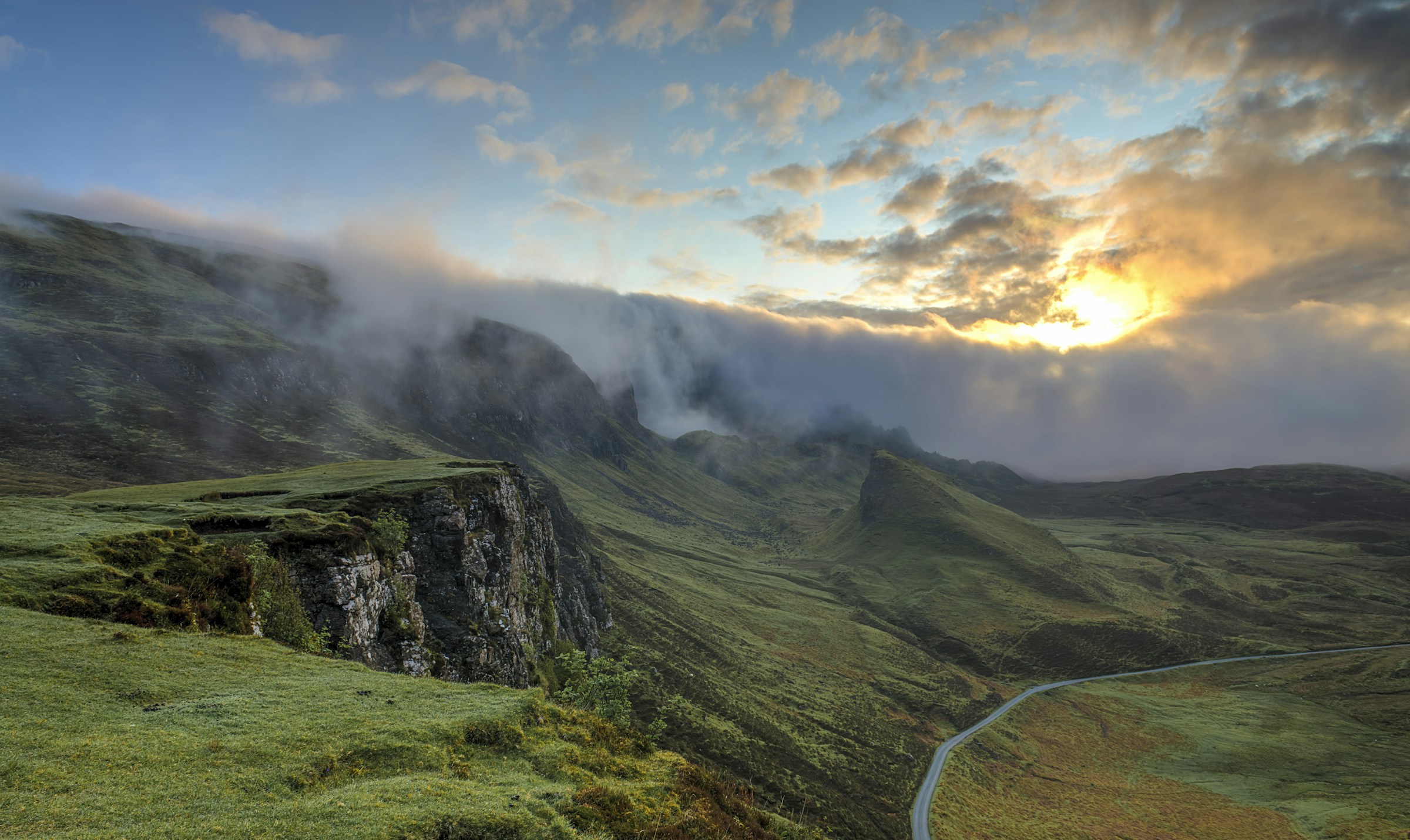
Al-Firdaus
The supreme level of Jannah, the most exalted garden of Paradise directly beneath the Throne of Allah. From it flow all the rivers of Paradise. This is the highest station, reserved for prophets, martyrs, and the most righteous believers. The Prophet Muhammad (peace be upon him) instructed believers to ask Allah specifically for Al-Firdaus when praying for Paradise. Its inhabitants dwell in the closest proximity to the Divine Presence.
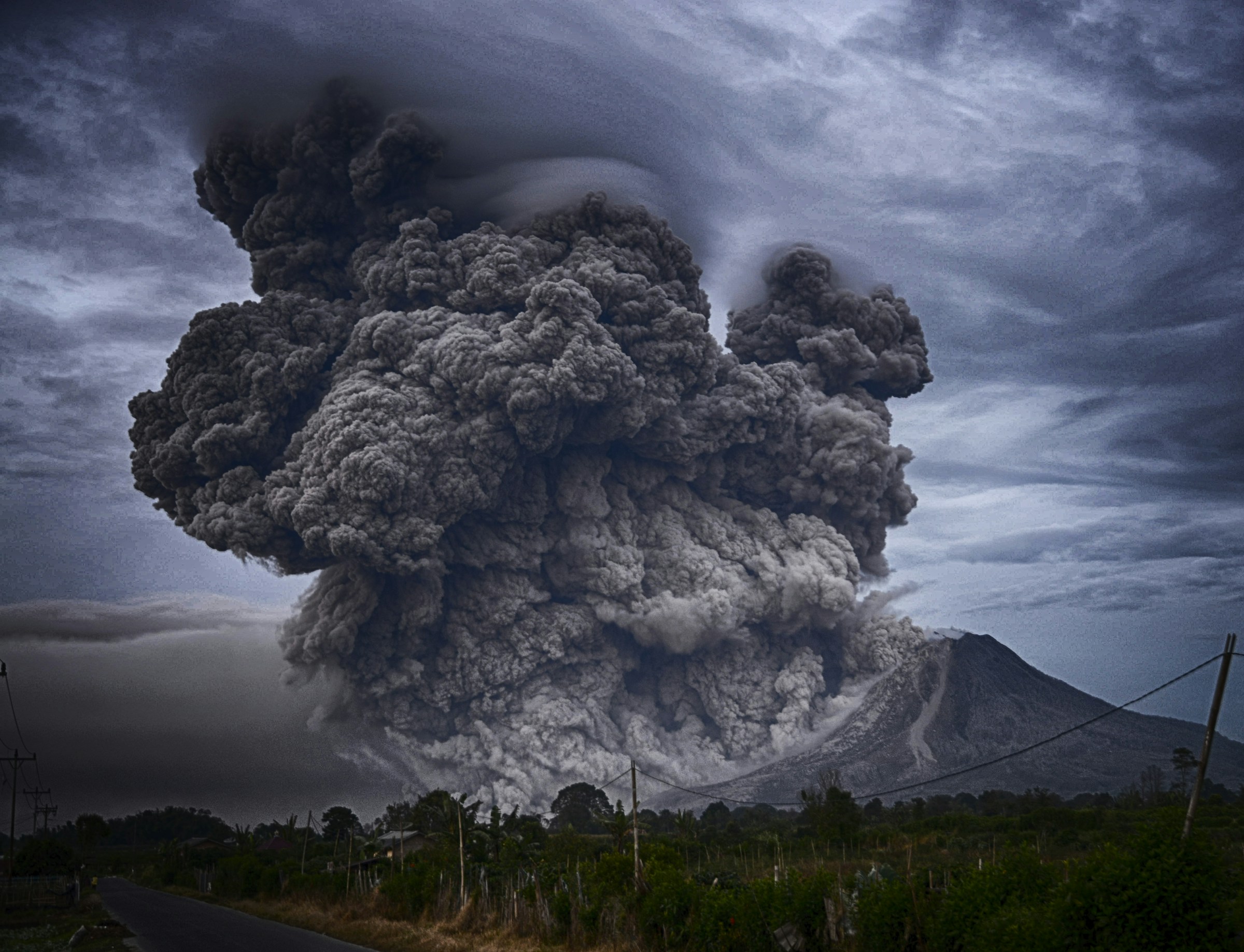
Barzakh
The barrier or intermediate state between death and resurrection on the Day of Judgment. In Barzakh, souls experience a preview of their final destination - comfort for the righteous and punishment for the wicked. This is not the final Paradise or Hell, but a liminal dimension where the soul awaits the resurrection. The grave becomes either a garden of Paradise or a pit of Hell during this period.
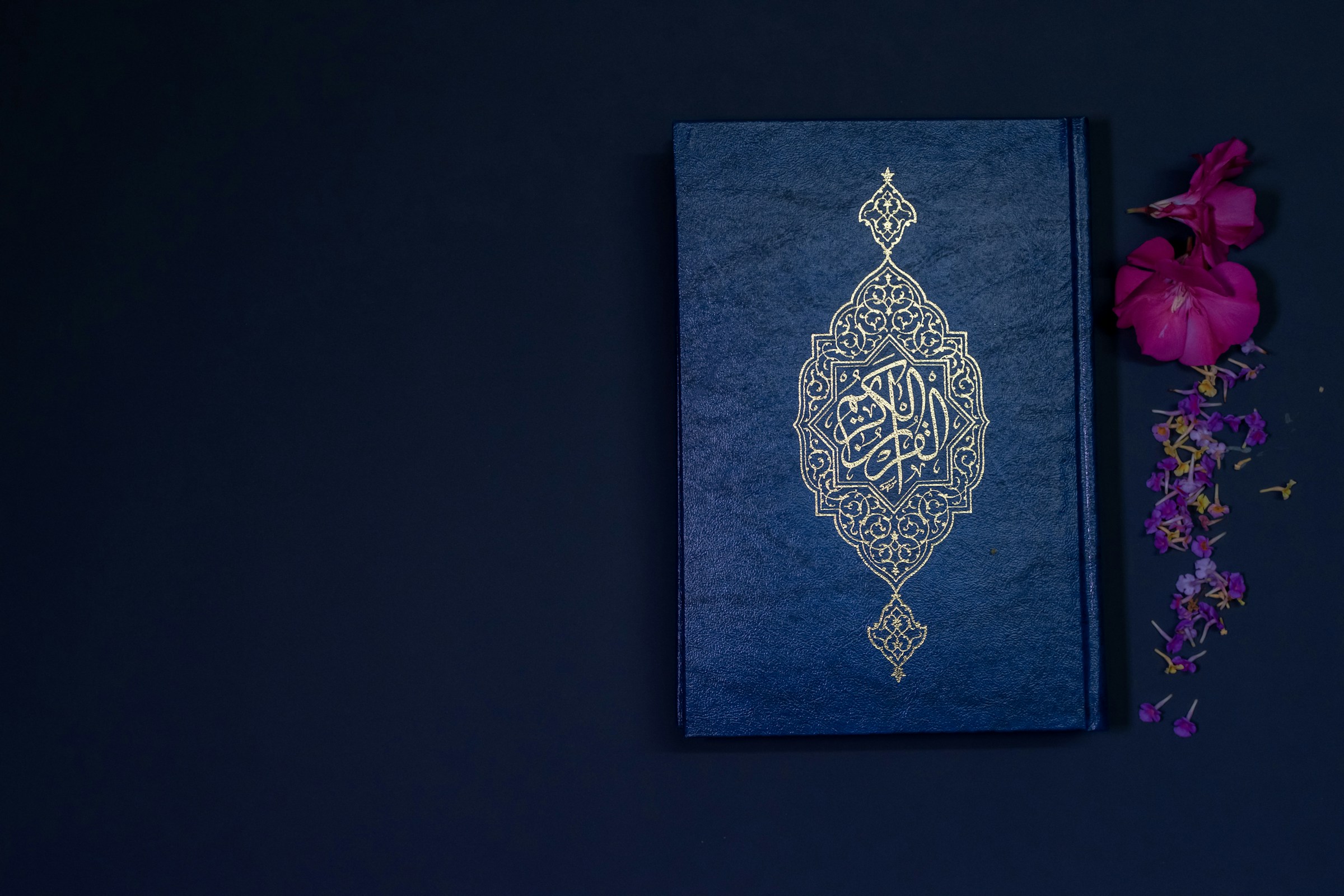
Sidrat al-Muntaha
A magnificent tree located in the seventh heaven, near the Garden of Refuge and close to the Throne of Allah. It marks the boundary beyond which no creation, not even the angel Gabriel, can pass without Allah's permission. During the Night Journey, the Prophet Muhammad (peace be upon him) saw it covered with indescribable colors and surrounded by angels. It represents the ultimate limit of created knowledge and the threshold of divine mysteries.
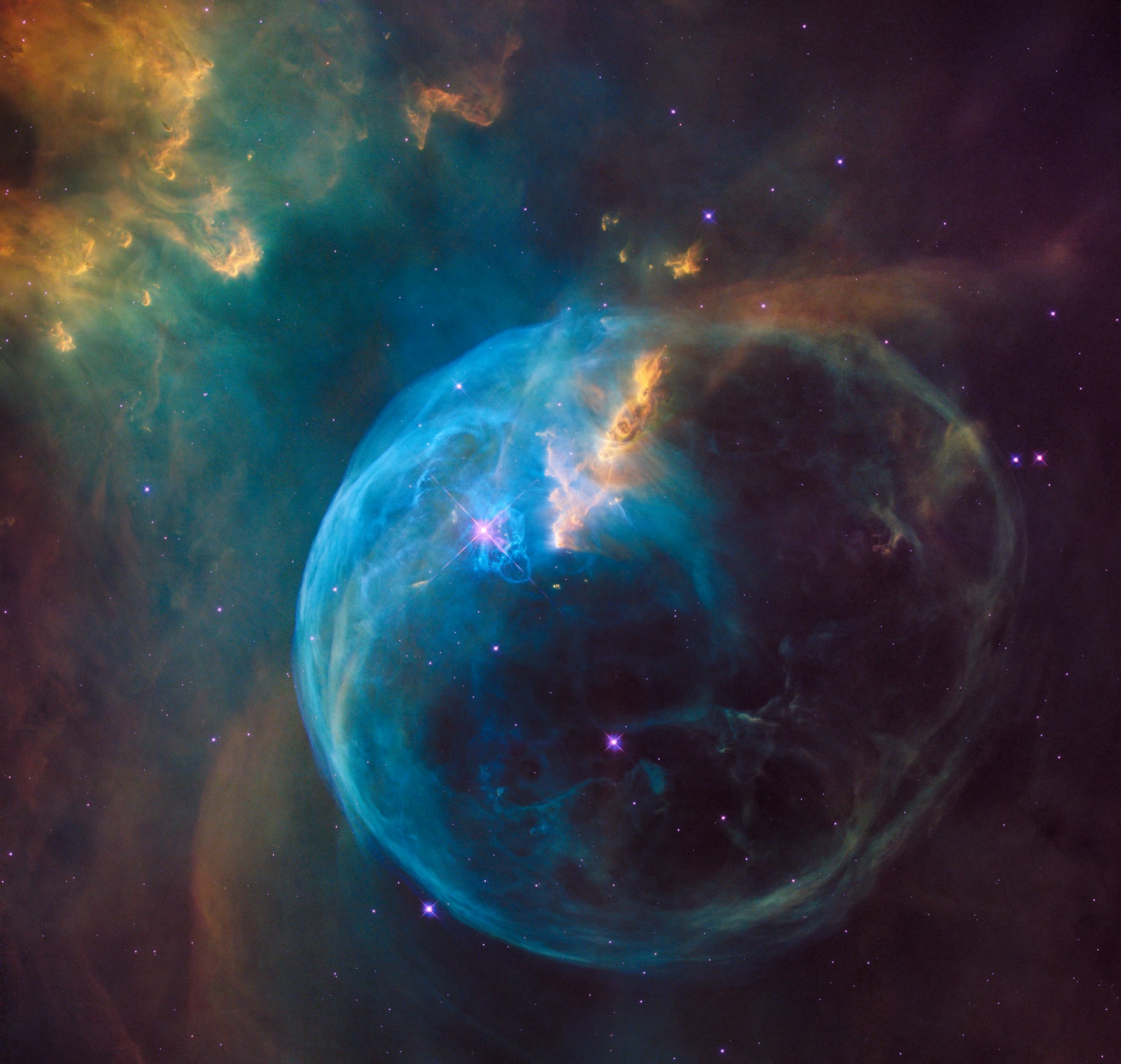
Al-Wajh Allah
Allah exists beyond all spatial and temporal boundaries, transcendent above His creation yet closer to us than our jugular vein. He is not contained by the heavens or the earth, yet His knowledge encompasses all things. The ultimate reward of Paradise is not just its physical delights, but the vision of Allah's noble countenance - seeing the Divine Face, which the righteous will behold on the Day of Resurrection. This is the supreme blessing that transcends all understanding.
Image Sources
All images used on this page will be sourced from Wikimedia Commons and public domain collections, featuring Islamic manuscript illuminations, architectural photography of mosques showcasing Islamic cosmological themes, and classical Persian and Mughal miniature paintings depicting Paradise, the heavens, and the Night Journey (Mi'raj). These artworks represent the rich visual tradition of Islamic cosmology spanning from medieval manuscripts to Ottoman and Safavid art.
Planned sources: Wikimedia Commons (Islamic art collections), The Metropolitan Museum of Art (Islamic Art Department), British Library (Islamic manuscripts), Smithsonian Institution, and other museums with freely accessible Islamic artwork in the public domain.