Hindu Cosmology
"As the blazing fire reduces wood to ashes, similarly, the fire of Self-knowledge reduces all Karma to ashes." - Bhagavad Gita 4.37
← Return to Overview
Brahman
The supreme, unchanging reality that transcends all material existence. Brahman is not a deity but the infinite consciousness that pervades everything - the source, sustainer, and dissolution of all that exists. Beyond attributes, beyond description, beyond comprehension - it is the eternal truth (Sat), infinite consciousness (Chit), and absolute bliss (Ananda).
Vaikuntha
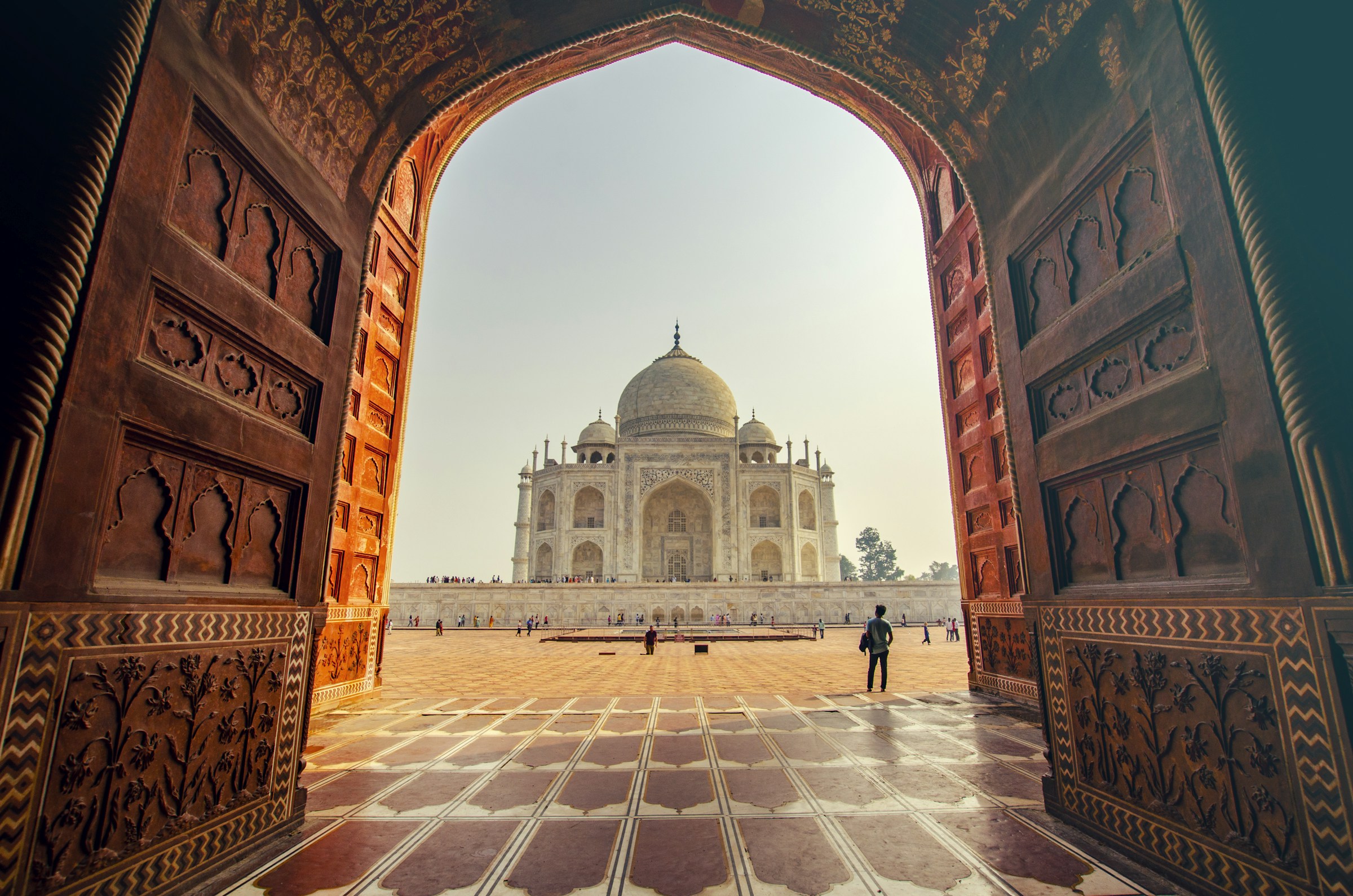
The supreme spiritual realm of Lord Vishnu, beyond the material universe and free from the cycle of birth and death. Vaikuntha is described as a place of pure golden light where devotees enjoy eternal communion with the Supreme Lord. Here, Vishnu resides with His consort Lakshmi on the cosmic serpent Shesha, surrounded by liberated souls in perpetual bliss.
Kailash
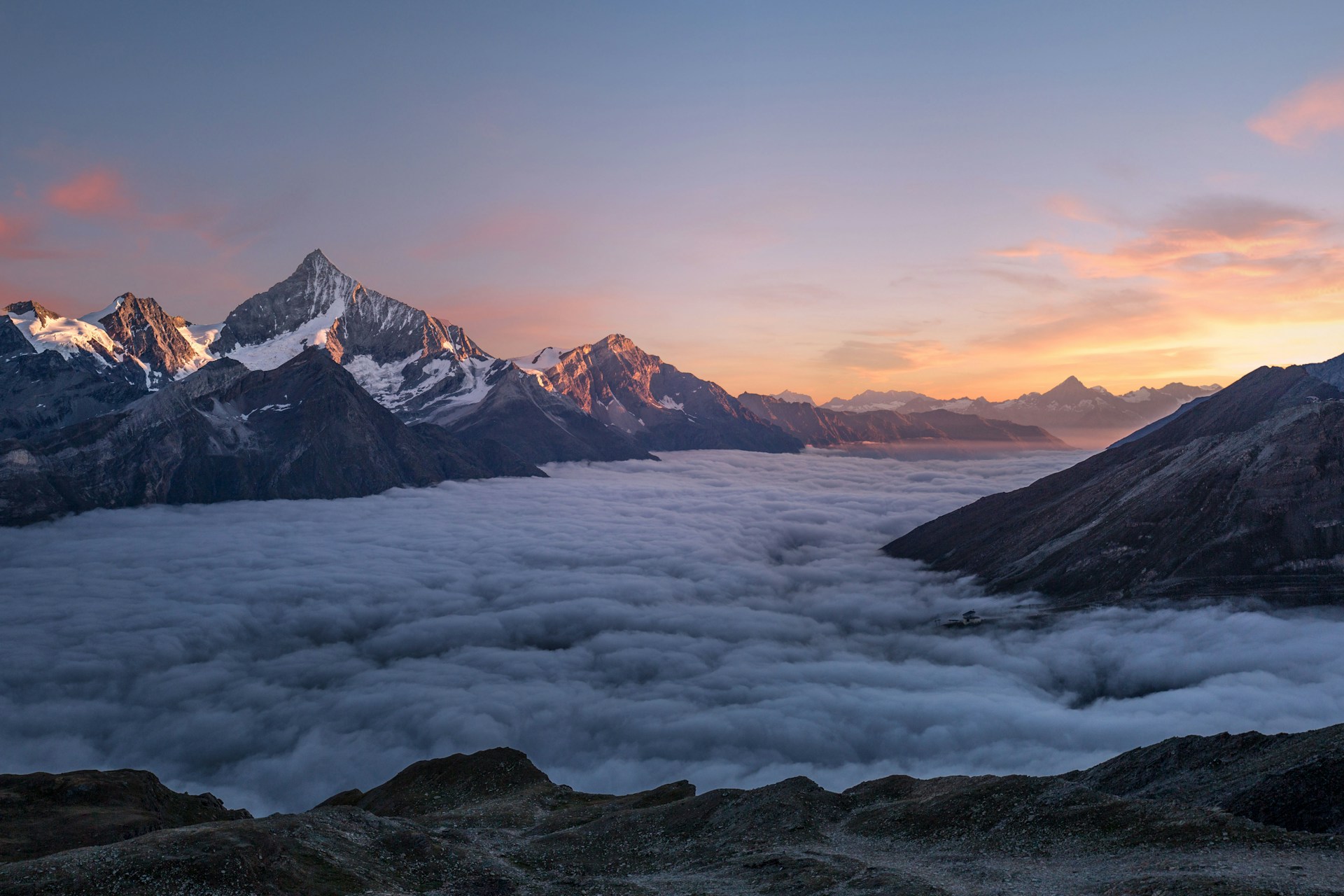
The mystical peak where Lord Shiva resides in eternal meditation with Parvati. Mount Kailash exists both as a physical mountain in the Himalayas and as a transcendent spiritual realm. It is the axis mundi - the cosmic axis around which the universe revolves. Here, Shiva sits in perpetual samadhi, his third eye closed, maintaining the cosmic balance between creation and destruction.

Goloka
The highest spiritual planet in the Vaishnava cosmos, where Lord Krishna eternally manifests His most intimate pastimes. Goloka Vrindavana is described as a lotus-shaped realm filled with wish-fulfilling trees, transcendental cows, and divine souls engaged in pure devotional service. Here, time stands still in eternal spiritual bliss, beyond the material dimensions of space and causality.
Hiranyagarbha
The golden womb or cosmic egg from which the entire universe emerged at the beginning of creation. Hiranyagarbha contains all potential existence before manifestation - all matter, energy, space, and time compressed into a singular point of infinite creative power. From this primordial unity, Lord Brahma (the creator) was born, who then shaped the cosmos according to eternal divine laws.
Moksha
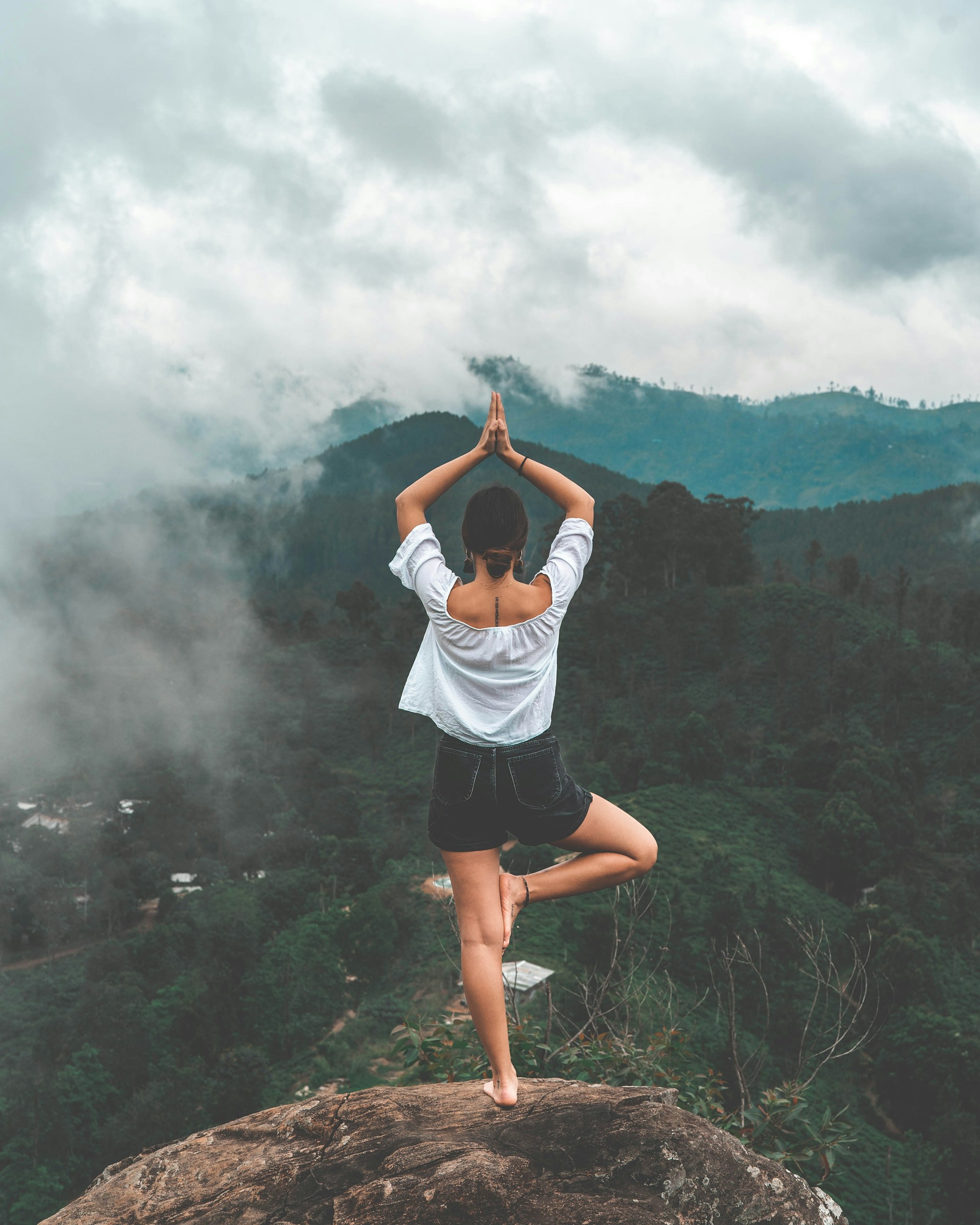
The ultimate goal of Hindu spiritual practice - complete liberation from the endless cycle of birth, death, and rebirth (samsara). Moksha represents the soul's realization of its true nature as one with Brahman, transcending all karma, desire, and suffering. It is the state of eternal freedom, infinite consciousness, and absolute bliss beyond all temporal existence.

The 14 Lokas
The cosmic structure of fourteen planes of existence, seven higher (Vyahrtis) and seven lower (Patalas). The seven upper realms ascend from Bhuloka (Earth) through celestial planes to Satyaloka (Brahma's abode). The seven lower realms descend into increasingly dense material existence. Each loka represents a different vibrational state of consciousness and material density, forming the complete structure of manifested reality.
Svarga
The celestial paradise ruled by Indra, king of the devas (celestial beings). Svarga is a realm of immense beauty and pleasure, where virtuous souls enjoy the fruits of their good karma. However, unlike moksha, residence in Svarga is temporary - when accumulated merit is exhausted, souls return to the cycle of rebirth. It represents the highest material heaven, filled with celestial gardens, wish-fulfilling trees, and divine enjoyments.

Naraka
The lower realms where souls undergo purification through suffering to exhaust negative karma. Unlike the Christian concept of eternal hell, Naraka is temporary - souls remain only until their karmic debts are paid. There are multiple Narakas, each designed to purify specific sins. Ruled by Yama, the god of death and dharma, these realms serve as cosmic correction centers before souls return to the cycle of rebirth.
Image Sources
All images used on this page will be sourced from Wikimedia Commons and public domain collections, featuring traditional Hindu artwork, temple carvings, miniature paintings, and contemporary visualizations of Vedic cosmology. Artwork includes classical depictions from various Indian artistic traditions including Rajasthani miniatures, Tanjore paintings, and modern interpretations of sacred concepts.
Planned sources: Wikimedia Commons, The Metropolitan Museum of Art (Asian Art collection), Los Angeles County Museum of Art (LACMA), British Museum, and various temples' public domain photographic archives.